Implant Supported Dentures to Replace Multiple Missing Teeth
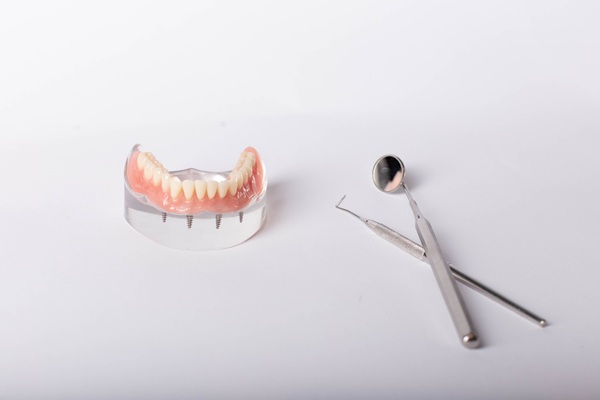
If you are missing one or more teeth, you can often replace them using implant-supported dentures. These are useful since they can preserve the bone in your jaw. Your dentist can decide on the right number of dentures to place in the jaw. That way, the teeth can start to function as the natural ones. Keep reading if you want to find out more about the treatment plan.
What to expect when getting the implants
When getting implant-supported dentures, patients might have a customized treatment plan. The plan is based on factors like jawbone strength, number of missing teeth, and bite. The patient might not need or be able to get an implant for each missing tooth. The patient might get a bridge supported by the implants instead.
For a bridge with two to three teeth, the patient might have two implants. If the patient has a full-mouth denture, the patient might need around four to eight implants. Of course, if the patient does not have that much bone in the jaw, it is impossible to place many implants. The patient might get a bone graft to support the correct number of implants. The placement of each implant depends on several factors.
The benefit of implant-supported dentures
Stimulates the jawbone
When a patient gets implants, the restorations can stimulate the existing jawbone. That way, the bone will not become reabsorbed by the body. With the stimulation that comes from eating and speaking, the patient will retain enough bone density. That prevents problems like bone loss and facial structure changes. Plus, the patient will not need to go to the dentist to have ill-fitting dentures repaired.
Easy to clean
Many patients like the fact that the implant-supported dentures do not need to come out for cleaning. Instead, the restorations stay in the mouth, so the patient does not need to worry about cleaning them separately. Patients can brush the teeth gently without having to remove them or soak them overnight. That often feels more natural to many people. It is possible to have the teeth in the mouth when sleeping, unlike conventional dentures.
A more stable solution
Patients often do not like the fact that traditional dentures need adhesives for the right attachment. The adhesives might not work, and these can be messy. Implants can stabilize the dentures and keep them in place. That means patients do not need to worry about finding the right adhesive for the job.
Removable dentures, which might move around, could lead to some irritation. However, after the patient has recovered from the procedure, they will no longer need to worry about excessive movement. Plus, the patient will not need to put the teeth in each day. That can lead to better self-esteem.
Aftercare for implant-supported dentures
These dentures are popular among dental patients. It combines removable dentures and stable dental implants. This hybrid can provide a person with a strong set of synthetic teeth. Learning how to care for them can help them last for a long time. Here are some aftercare tips to consider:
Perform good oral care every day
Once the implant-supported dentures are set, the patient must become more serious about daily oral care. The mouth will be prone to bacterial infection during healing. That is why rinsing the mouth with warm salt water at least two times a day is necessary.
Get plenty of rest
These restorations need implant surgery. The placement of the titanium rods is the key to the stability of these dentures. It will take months for the implants to fuse with the jawbone and tissues. Resting can help the jawbone and gums heal faster. Avoiding strenuous activities can help focus the body’s energy on healing.
Apply cold compresses.
Swelling and pain will happen after the implant surgery. Cold compresses can reduce the pain and inflammation in the treated areas. Apply these compresses for a few minutes and then repeat. The intervals will give the body time to recover.
Modify eating habits
As previously mentioned, dental implants need time to heal. An adjustment in the patient’s diet can help lessen chewing. This can also prevent infection in the implants. A soft diet can help the patient recover better. Soups, smoothies, and mashed potatoes are good examples of soft foods.
Choose the right implant-supported dentures
There are many advantages to choosing implant-supported dentures. Your dentist will help you decide if you are the right candidate. Then you can make a more informed decision. Making an appointment lets you learn more about these dentures.
Request an appointment here: https://boynton.careonedentalfl.com or call Care One Dental of Boynton at (561) 770-3200 for an appointment in our Boynton Beach office.
Check out what others are saying about our dental services on Yelp: Implant Supported Dentures in Boynton Beach, FL.
Related Posts
If you have recently had All-on-4® implants, you may be wondering how to care for them. It is important to know the best way to keep your implants looking their best so they can last for many years to come. Here are the best ways to take care of your new smile.All-on-4 dental implants are…
Proper care of dentures ensures a comfortable fit, long-lasting function, and a confident smile. For patients relying on dentures, maintaining oral health extends beyond daily wear—it requires consistent cleaning, timely adjustments, and routine dental evaluations. Understanding the complete denture care plan helps preserve both the appliance and the health of the surrounding tissues.Patients must clean…
Many patients associate dentures with aging, but these prosthetics are often recommended earlier than expected due to various dental health issues. Dentures help restore function and appearance after significant tooth loss, damage, or gum disease. Recognizing early warning signs can prevent further complications and allow a general or implant dentist to preserve oral health before…
Denture wearers may develop a condition known as stomatitis, an inflammation of the gums and soft tissues underneath dentures. It is most common in people who wear full or partial dentures for long periods, especially those who leave their dentures in while sleeping. Many people do not even realize they have it because it often…