The Most Effective Options for Gum Recession Treatment
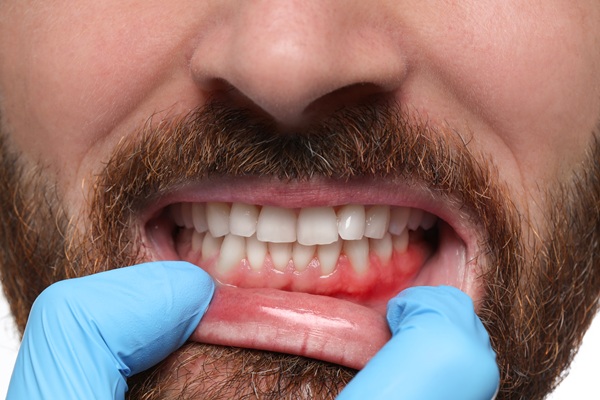
Gum recession treatment helps protect the teeth and support a healthy smile. Receding gums can expose tooth roots, which may lead to sensitivity, decay, and other oral health problems. A general dentist can offer several treatment options based on the severity of the recession. Learning about these options can help patients take the right steps toward better gum health.
What causes gum recession?
Gum recession happens when the gum tissue pulls away from the teeth. This may create gaps or pockets where bacteria can build up. Causes include:
- Poor oral hygiene
- Brushing too hard
- Smoking or other forms of tobacco use
- Teeth grinding
- Misaligned teeth
However, gum disease, also known as periodontitis, can cause the gums to recede. Genetics can play a role, as well. A general dentist can examine the gums to determine the cause of the problem before initiating gum recession treatment.
What are the different gum recession treatment options?
The treatment a general dentist recommends for gum recession depends on various factors, including the patient's oral health and the severity of the condition. Below are some of the most common gum recession treatments.
Deep cleaning and scaling
For mild cases, gum recession treatment may begin with a deep cleaning. This process includes scaling and root planing, which remove plaque and tartar from below the gum line. The dentist also smooths the surfaces of the teeth's roots, making it more difficult for bacteria to adhere and grow.
This type of cleaning helps the gums reattach to the teeth and reduces inflammation. It may take more than one visit to complete the cleaning, depending on the extent of the buildup. Maintaining good brushing and flossing habits at home supports the healing process after treatment.
Gum grafting for advanced cases
When gum recession is more severe, a general dentist may recommend gum grafting. This treatment involves taking a small piece of tissue and attaching it to the area where the gum has receded. The tissue may come from the roof of the mouth or a donor.
Gum grafting helps cover exposed roots and adds support to the gum line. It may also reduce sensitivity and protect the teeth from further damage. After the procedure, the area will need time to heal, and the dentist will give instructions for proper care.
Pinhole surgical technique
Another option for gum recession treatment is the pinhole surgical technique (PST). This method is less invasive than gum grafting. A small hole is made in the gum tissue, and special tools are used to loosen and reposition the gum back over the exposed tooth. This technique does not require stitches and may result in less discomfort. Not all patients are candidates for this treatment, so a dentist will need to evaluate the gums to decide if it is a good fit.
Desensitizing treatments
For patients with mild gum recession and sensitive teeth, a general dentist may recommend desensitizing treatments. These may include special toothpaste or fluoride varnish applied in the office. These treatments do not fix the recession, but they help reduce pain and protect the teeth. Desensitizing toothpaste can be used at home and is safe for daily brushing. Fluoride treatments help strengthen the enamel and reduce the risk of cavities in exposed areas.
Orthodontic care
In some cases, gum recession is associated with crooked teeth or bite issues. When teeth are not aligned correctly, pressure on certain areas can cause the gums to pull away. Orthodontic care may help shift the teeth into better positions and reduce stress on the gums.
Night guards
Teeth grinding or clenching can also lead to gum recession. A night guard can protect the teeth during sleep and reduce damage to the gums. A general dentist can examine for signs of grinding and recommend a custom-made night guard if necessary.
Tips for preventing further gum recession
After gum recession treatment, maintaining healthy gums is crucial. Brushing gently with a soft-bristled toothbrush can protect the gum line. Flossing once a day helps remove plaque from between the teeth and keeps gums healthy.
Regular dental visits enable the dentist to detect early signs of recession or other potential issues. Avoiding tobacco products and eating a balanced diet also support good oral health. By following these steps, patients can lower the chances of future gum problems.
Get help caring for your teeth and gums
Gum recession treatment can reduce discomfort and protect the long-term health of the teeth. A general dentist can offer several solutions tailored to each patient’s specific needs. Taking action early and following good care habits helps keep gums strong and healthy.
Request an appointment here: https://boynton.careonedentalfl.com or call Care One Dental of Boynton at (561) 770-3200 for an appointment in our Boynton Beach office.
Check out what others are saying about our dental services on Yelp: I Think My Gums Are Receding in Boynton Beach, FL.
Related Posts
Gum recession is a condition where the gum tissue surrounding the teeth pulls back. A periodontist can provide gum recession treatments to minimize discomfort and prevent it from progressing and causing more severe dental issues. By seeking care promptly, patients can restore gum health and protect their smiles.Gum recession is common but treatable. The sooner…
Gum disease treatment plays a powerful role in restoring oral health and protecting the foundation of the teeth. When plaque and tartar accumulate along the gumline, the supporting tissues begin to weaken, leading to bleeding, swelling, and eventually bone loss. Left unaddressed, gum disease increases the risk of tooth loss and can affect overall health.…
Flossing is an essential oral hygiene habit, and your dental practice can show you the right way to do it. The process can dislodge bits of plaque and food stuck between the teeth. That reduces the plaque and bacteria buildup, preventing cavities and decay. Many people brush the teeth, but flossing is not as common.…
Many times, a dental practice will recommend avoiding smoking because of the negative effect on the teeth. Smoking can lead to many dental issues. Having a healthy smile is critical, but smoking can reduce the patient’s ability to do so. Keep reading to learn more about tobacco and the teeth.Tobacco and smoking can stain the…